Responsive Ad Slot

test banner
Showing posts with label India. Show all posts

Kashmir's struggle did not start in 1947 and will not end today

No comments


On August 5, India's Hindu nationalist Bharatiya Janata Party (BJP) government issued a surprise executive decree stripping away the autonomy that the state of Jammu and Kashmir was granted in exchange for joining the Indian union after independence in 1947.

Since the decree, Indian authorities also imposed an unprecedented lockdown in the region, cutting off all communication lines, restricting movement and putting prominent Kashmiri politicians under house arrest.

The government's decision to revoke Article 370 of India's constitution, which ensured the Muslim-majority state its own constitution and independence over all matters except foreign affairs, defence and communications, was undoubtedly the most far-reaching political move on the disputed region in the last seven decades. However, neither the Indian government's decision to impose direct rule from New Delhi, nor its attempts to silence the Kashmiri cries for freedom and dignity is anything new.

A brief look back in history makes it evident that Kashmir's oppression and colonial exploitation started long before the formation of modern India. Ever since its annexation by the Mughal empire in 1589 AD, Kashmir has never been ruled by Kashmiris themselves. After the Mughals, the region was ruled by the Afghans (1753-1819), Sikhs (1819-46), and the Dogras (1846-1947) until the Indian and Pakistani states took over.

The Mughals, who did nothing to alleviate the region's poverty or help it fight famines, instead built hundreds of gardens in Kashmir, converting it into a luxurious summer refuge for the rich. The Afghans not only sent Kashmiri people to Afghanistan as slaves, but also imposed extortionate taxes on the region's famed shawl weavers, causing the shawl industry to shrink in size. Next came the Sikhs, who, according to the British explorer William Moorcroft, treated the Kashmiris "little better than cattle".

The discrimination Kashmir's Muslim majority is still facing to this day also came to the fore for the first time during the Sikh rule. Back then, the murder of a native by a Sikh was punished with a fine of 16 to 20 Kashmiri rupees to the government, of which 4 rupees would go to the family of the deceased if the victim is a Hindu, and only 2 rupees if the deceased is a Muslim.

And in 1846, when the British East India Company defeated the Sikh Empire in the first Anglo-Sikh war, Kashmir was sold to the Dogras as if it was not the home of millions of people but just a "commodity". Gulab Singh, a Dogra, who served as the ruler of Jammu in the Sikh Empire, chose to side with the British in the Anglo-Sikh war. After the war, the East India Company "sold" Kashmir to Gulab Singh for a lump sum of 7.5 million rupees to reward his loyalty.

Gulab Singh and the successive Dogra rulers, who then had a free pass over the Kashmir valley, imposed further extortionate taxes on the Kashmiris in an attempt to raise the 7.5 million rupees they had paid to buy Kashmir. Moreover, as a mark of their continued loyalty, the Dogra rulers catered to continued British demands for money and muscle. Under the Dogra rule, Kashmiris were forced to fight in all of Britain's wars, including the two world wars.

The Dogra rule was possibly the worst phase in terms of the economic extortion in Kashmir. Most of the peasants were landless since Kashmiris were banned from holding any land. About 50-75 percent of cultivated crops went to the Dogra rulers, leaving the working class with practically no control over the produce. The Dogra rulers also reintroduced the begar (forced labour) system under which the state could employ workers for little to no payment. Not only every imaginable profession was taxed, but Kashmiri Muslims were also forced to pay a tax if they wished to get married too. The absurdity of the exorbitant tax system reached a new high when something called "zaildari tax" was introduced to pay for the cost of taxation itself!

During the Dogra rule, Kashmiri Pandits - native Hindus of the Kashmir Valley - were slightly better off than the Kashmiri Muslims, perhaps as a result of the administration's pro-Hindu bias. They were allowed to have more upper-class jobs and work as teachers and civil servants. This meant that amongst a predominantly Muslim population, the so-called "petite bourgeois" was dominated by the Hindus. The Dogra regime also replaced Koshur with Urdu as the official language in the region, making it even harder for the Koshur-speaking Kashmiri Muslims to break free from poverty.

Therefore, the history of Kashmir's Muslims often intersects with the history of the working class in the valley. In fact, throughout the Dogra rule in Kashmir, the resistance against the oppressive regime was shaped by class as much as religion.

The workers' resistance against the Dogras kicked off as early as in 1865, when Kashmiri shawl weavers agitated to improve their work conditions. The regime brutally crushed the uprising and in the three decades following the protest, the number of Kashmiri shawl weavers decreased from 28,000 to just over 5,000. Despite the setback, however, Kashmiri workers continued to fight for their rights. in 1924, workers from a Srinagar silk factory went on a strike for better working conditions.

In 1930, some young, left-wing Muslim intellectuals formed the Reading Room Party to get together and explore a way forward for the Jammu and Kashmir that is free of autocracy and oppression. They soon started organising meetings in mosques, and slowly this "political consciousness" started to spread from the intelligentsia to the middle classes. In time, they moved on from mosques to larger scale open meetings.

Noting this growing spirit of revolt among the Muslim community, in 1931, the Dogras approved the formation of three political parties in the valley - Kashmiri Pandits Conference, Hindu Sabha in Jammu, and Sikhs' Shiromani Khalsa Darbar. This meant only non-Muslim groups were allowed political representation in the valley, leaving the majority of the population without an official political party.

That very same year saw several Muslim agitations that developed in reaction to the state's oppression. But the simmering tensions come to a boil on July 13, when a crowd of thousands tried to break into the Srinagar jail during the court hearing of a sedition case filed against a young Muslim man named Abdul Qadeer. Police responded with extreme brutality and 22 protesters were killed. As scholar and activist Prem Nath Bazaz noted, the sentiments of the crowd that rushed the prison were not anti-Hindu but anti-tyranny. Yet, the riots that took place in the aftermath of July 13 took a religious turn when shops owned by the Hindus were looted in the valley.

Bazaz attributed this to the shortsighted and inexperienced politics of the Reading Room Party as well as the hostile and discriminatory attitude of the Hindus towards the Muslim majority. Ever since that episode, however, all stakeholders in the Kashmir conflict have been attempting to communalise Kashmiri history. The struggle of the valley's working-class Muslims has been reduced to their religious identity, as if the religion that they follow makes their anger somewhat illegitimate.

While the suffering of the Muslim working class was immense under the Dogra rule, their situation did not get any better following Britain's departure from the Indian subcontinent and partition of colonial India into two nation-states.

Under the partition plan provided by the Indian Independence Act, Kashmir was given the options to become independent or accede to India or Pakistan.

The Dogra ruler at the time, Hari Singh, initially wanted Kashmir to become independent. But when tribesmen from Pakistan attempted to invade the region he agreed to join India in October 1947.

India's first Prime Minister Jawahar Lal Nehru sent troops to protect Kashmir from a possible Pakistani invasion. As a result, Hari Singh signed an instrument to accede the state to the Indian dominion. Article 370, which guaranteed Kashmir's autonomy in the Indian Union, was also added to the Indian constitution as a direct outcome of the instrument.

Unfortunately, it became clear in the following decades that India had no intention of protecting Kashmir's autonomy as in no time it started to act like yet another occupying imperial force and resumed the oppression of the region's long-suffering Muslim population.

At first, Nehru (a Kashmiri himself) appeared sympathetic to the cause of the Kashmiris. He promised multiple times to hold a plebiscite to determine the faith of Jammu and Kashmir. Back then, even the emergence of an independent Kashmir was being considered as a possible outcome.

Decades have passed, however, and the plebiscite Nehru promised was never held. Pakistan and India occasionally raised the issue and accused the other side of preventing the holding of a vote. To the convenience of both the states, the issue of plebiscite was eventually forgotten.

Since October 1947, India and Pakistan fought multiple wars over Kashmir, both claiming to have the best interests of the local population in mind. But they jointly suppressed Kashmiri voices that criticise the actions of both countries and demand independence.

One such example was the case of Maqbool Bhat, one of the founder members of Jammu Kashmir Liberation Front and proponent of organised armed struggle for the liberation of Kashmir. He was hunted down and hung by the Indian state, but the state of Pakistan also caused every trouble they could to stop Maqbool from organising a liberation movement for Kashmir that does not aim to pull the region into Pakistan's zone of influence.

Over the years, India and Pakistan did everything they could to control the narratives of Kashmir. India not only resorted to brutal methods of oppression, such as physical violence, torture, fake encounters, rape and unlawful prosecutions, it also concocted an alternative history, twisting data and facts to turn Indian public opinion against the plight of Kashmiri Muslims. Meanwhile, Pakistan was no innocent supporter of the Kashmiri struggle, as one of its former Presidents, Pervez Musharraf, openly admitted that the state supported and trained armed groups active in the valley, such as Lashkar-e-Taiba (LeT), in the 1990s.

Despite the best efforts of the imperialist forces to silence and subdue them, the Kashmiris have been fighting for self-determination for hundreds of years. Today, imperial efforts to control the valley continue albeit quite ironically in the garb of nationalism. India's decision to revoke Jammu and Kashmir's special status thus is nothing other than yet another act of shameless imperialist aggression.

At worst, August 5, 2019, will be remembered by future generations as just another chapter in Kashmir's long history of imperial oppression. At best, this latest attack on the dignity of a long-suffering people will mark the beginning of an era of unprecedented resistance and struggle towards freedom for the Kashmiris.

Credit, Source and Courtesy : Aljazeera

رفال بمقابلہ جے ایف 17 تھنڈر: کیا فرانس سے خریدے گئے نئے رفال طیارے انڈیا کو پاکستان پر فضائی برتری دلا سکتے ہیں؟

No comments


انڈیا کو فرانس سے پانچ مزید رفال طیارے ملنے کے بعد ایک دفعہ پھر یہ بحث زور پکڑ گئی ہے کہ کیا یہ جدید طیارے پاکستان میں بنائے جانے والے جے ایف 17 تھنڈر سے بہتر ہیں یا نہیں۔

سماجی رابطے کی ویب سائٹ ٹوئٹر پر جہاں بہت سے انڈین صارفین رفال طیارے ملنے پر جشن منا رہے ہیں وہیں پاکستانی صارفین کی جانب سے جے ایف 17 طیاروں کی تکینیکی بنیادوں پر رفال پر سبقت سے متعلق بھی دعوے کیے جا رہے ہیں۔

بی بی سی نے اس حوالے سے کچھ حقائق جاننے کی کوشش کہ رفال میں وہ کیا خاص بات ہے جو کسی اور طیارے میں نہیں ہے۔ اس حوالے سے انڈین اور پاکستانی فضائیہ کے حکام کا نکتہ نظر بھی اس موازنے میں شامل کیا گیا ہے۔

یہ حقائق جاننے سے پہلے اس بحث کے پس منظر پر نظر ڈالتے ہیں مگر اس دوران ایک کپ چائے بنانا نہ بھولیے گا۔

جب پاکستانی پائلٹس نے گذشتہ برس 27 فروری کو انڈین مِگ 21 طیارہ مار گرایا تو اس پر سوار پائلٹ ونگ کمانڈر ابھینندن کو گرفتار کر لیا گیا۔ دورانِ حراست ان کی ایک ویڈیو جاری کی گئی جس میں وہ چائے کی پیالی اٹھائے اس چائے کی تعریف کرتے دکھائی دیے۔

ابھینندن کا یہ جملہ ’ٹی از فینٹیسٹک‘ اب پاکستان میں زبان زد عام ہے۔

تاہم اس کے اگلے ہی دن پاکستان نے اعلان کیا کہ وہ جذبہ خیر سگالی کے تحت انڈین پائلٹ کو واپس گھر بھیج رہا ہے۔

یاد رہے کہ اس سے قبل انڈین طیارے پاکستان میں بالاکوٹ کے قریب بمباری کر کے واپس چلے گئے تھے جس کے جواب میں پاکستان نے کارروائی کی تھی۔

اس واقعے کے بعد انڈین وزیراعظم نریندر مودی نے بیان دیا کہ ’اگر انڈیا کے پاس رفال طیارے ہوتے تو پاکستان کے ساتھ بالاکوٹ واقعے کا نتیجہ بہتر ہوتا۔‘


رفال کی خریداری پر انڈیا میں کئی طرح کے سوال اٹھائے گئے ہیں

رواں برس فروری میں اسلام آباد ایئر ہیڈ کوارٹر میں میڈیا کے نمائندوں کو روسی ساختہ جہاز مِگ 21 کا ملبہ دکھایا گیا۔ اس موقع پر اُس وقت پاکستانی فضائیہ کے اسسٹنٹ چیف آف دی ایئر سٹاف پلانز ایئرکموڈور سید عمر شاہ نے کہا تھا کہ اگر انڈیا کے پاس ’رفال آ بھی جائے تو بھی ہم تیار ہیں۔‘

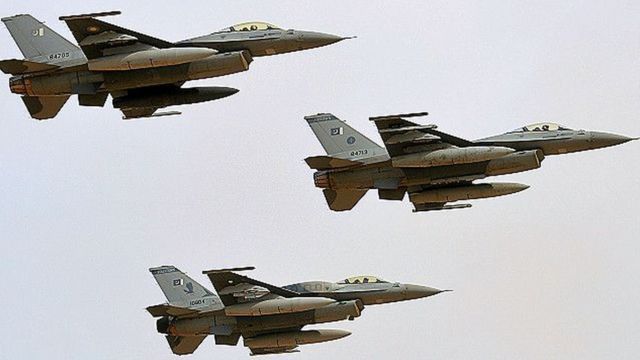
بالاکوٹ واقعے کے بعد پاکستان نے انڈیا کے خلاف فضائی آپریشن میں جے ایف 17 تھنڈر اور ایف 16 بھی استعمال کیے تھے۔ ان طیاروں کی خصوصیات جاننے سے پہلے ایک نظر فرانس سے آئے چھ رفال طیاروں پر۔

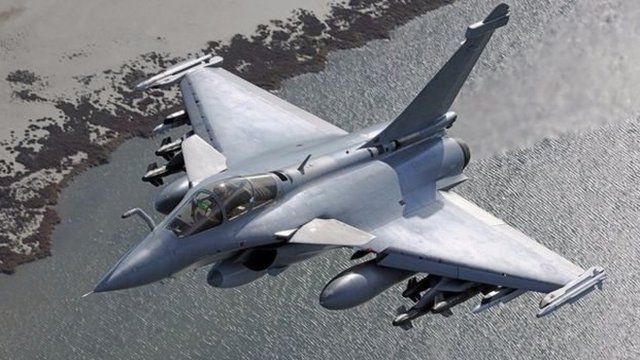
رفال انڈیا پہنچ گیا: اس طیارے میں کون سی خوبیاں ہیں؟

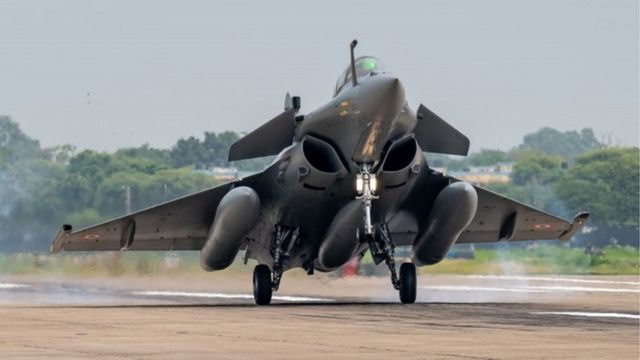
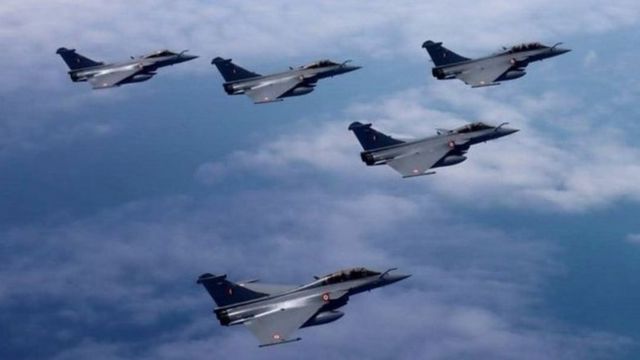
فرانس کی حکومت کے ساتھ کیے گئے معاہدے کے تحت انڈیا کو کل 36 رفال طیارے ملنے ہیں جن میں سے چھ طیارے انڈیا پہنچ چکے ہیں۔

رفال جوہری میزائل داغنے کی صلاحیت رکھتا ہے۔ اس میں دو طرح کے میزائل نصب ہو سکتے ہیں، ایک کا مار کرنے کا فاصلہ 150 کلومیٹر جبکہ دوسرے کا تقریباً 300 کلومیٹر ہے۔ جوہری اسلحے سے لیس ہونے کی صلاحیت رکھنے والا رفال طیارہ فضا میں 150 کلومیٹر تک میزائل داغ سکتا ہے جبکہ فضا سے زمین تک مار کرنے کی اس کی صلاحیت 300 کلومیٹر تک ہے۔

یہ انڈین فضائیہ کی جانب سے استعمال ہونے والے میراج 2000 کی جدید شکل ہے اور انڈین ایئر فورس کے پاس اس وقت 51 میراج 2000 طیارے ہیں۔

رفال بنانے والی کمپنی داسو ایوی ایشن کے مطابق رفال کی حد رفتار 2020 کلو میٹر فی گھنٹہ ہے۔

طیارے کی اونچائی 5.30 میٹر اور لمبائی 15.30 میٹر ہے اور اس طیارے میں فضا میں بھی ایندھن بھرا جا سکتا ہے۔ رفال کو اب تک افغانستان، لیبیا، مالی، عراق اور شام جیسے ممالک میں ہونے والی کارروائیوں میں استعمال کیا جا چکا ہے۔

رفال اوپر، نیچے، دائیں اور بائیں ہر طرف نگرانی کرنے کی صلاحیت رکھتا ہے یعنی اس کی وِزیبلٹی 360 ڈگری ہے۔

کئی طرح کی خوبیوں سے لیس رفال کو بین الاقوامی معاہدوں کے سبب جوہری اسلحے سے لیس نہیں کیا گیا تاہم کئی ماہرین کا خیال ہے کہ انڈیا میراج 2000 کی طرح رفال کو بھی اپنی ضرورت کے مطابق ڈھال لے گا۔


انڈین فضائیہ کی جانب سے جاری کی گئی تصویر میں رفال کو انبالہ ایئر بیس پر لینڈ کرتے دیکھا جا سکتا ہے

’رفال کی صلاحیتوں پر کوئی شبہ نہیں‘

انڈین فضائیہ کا کہنا ہے کہ ’رفال ایک بہترین اور باصلاحیت جنگی طیارہ ہے۔‘

سابق وزیر دفاع منوہر پاریکھ کا کہنا تھا کہ ’رفال کا نشانہ کبھی نہیں چوکتا۔‘

بی بی سی سے بات کرتے ہوئے انڈین دفاعی تجزیہ کار معروف رضا کہتے ہیں رفال کی خصوصیات کی وجہ سے اسے ’فورس ملٹی پلایئر‘ کہا جا سکتا ہے۔ ان کا کہنا ہے کہ رفال کی فلائنگ رینج عام جنگی طیاروں سے کہیں زیادہ ہے۔

رضا بتاتے ہیں ’اس کی آپریشنل صلاحیت 65 سے 70 فیصد تک ہے جبکہ جنگی طیارے سخوئی کی آپریشنل صلاحیت 50 فیصد تک ہے۔ ’یہ پہاڑی علاقوں اور چھوٹے مقامات پر اُتر سکتا ہے اس کے علاوہ سمندر میں چلتے ہوئے طیارہ بردار بحری جہاز پر بھی اتر سکتا ہے۔‘

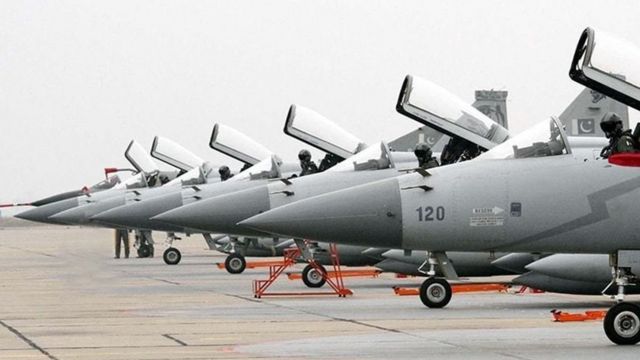
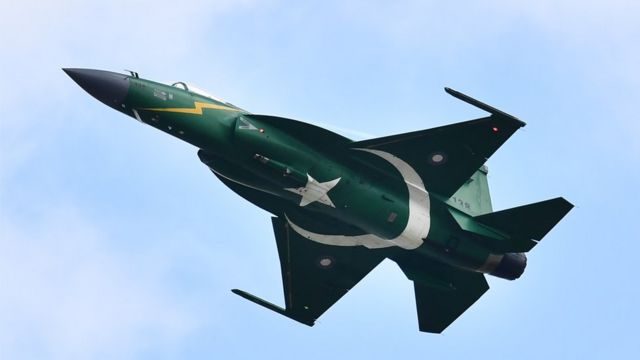
جے ایف-17 تھنڈر کن صلاحیتوں کا حامل ہے؟

جے ایف-17 تھنڈر لڑاکا طیارہ پاکستان کے لیے اس وجہ سے بھی خاصی اہمیت کا حامل ہے کہ پاکستان اسے خود تیار کرتا ہے۔

پاکستان نے چین کی مدد سے ہی ان طیاروں کو بنانے کی صلاحیت حاصل کی ہے اور ماہرین کے مطابق یہ طیارہ ایک ہمہ جہت، کم وزن، فورتھ جنریشن ملٹی رول ایئر کرافٹ ہے۔

اس طیارے کی تیاری، اپ گریڈیشن اور ’اوورہالنگ‘ کی سہولیات بھی ملک کے اندر ہی دستیاب ہیں جس کا مطلب یہ ہے کہ پاکستان اس طیارے کی تیاری کے مراحل کو یقینی بنانے کے لیے کسی بھی دوسرے ملک کا محتاج نہیں ہے۔

عسکری حکام کے مطابق یہ طیارہ دنیا بھر میں کئی اہم شوز میں بھی پذیرائی حاصل کر چکا ہے اور دنیا نے اس کی بہت اچھی اسسمینٹ کی ہے، یہی وجہ ہے کہ ہر بڑے شو میں جے ایف 17 کے لیے دعوت نامہ ضرور آتا ہے۔


رفال طیارے

پاکستان نے جے ایف 17 پر کب کام شروع کیا؟

یہ قصہ سنہ 1995 سے شروع ہوتا ہے جب پاکستان اور چین نے جے ایف 17 سے متعلق ایک مفاہمت کی یادداشت پر دستخط کیے تھے۔

اس طیارے کا پہلا آزمائشی ماڈل سنہ 2003 میں تیار ہوا اور پاکستانی فضائیہ نے سنہ 2010 میں جے ایف-17 تھنڈر کو پہلی مرتبہ اپنے فضائی بیڑے میں شامل کیا۔

اس منصوبے میں مِگ طیارے بنانے والی روسی کمپنی میکویان نے بھی شمولیت اختیار کر لی۔ پاکستان فضائیہ نے جے ایف-17 تھنڈر کو مدت پوری کرنے والے میراج، ایف 7 اور اے 5 طیاروں کی تبدیلی کے پروگرام کے تحت ڈیزائن کیا۔

دفاعی امور کے ماہرین کے مطابق جے ایف تھنڈر طیارہ ایف-16 فیلکن کی طرح ہلکے وزن کے ساتھ ساتھ تمام تر موسمی حالات میں زمین اور فضائی اہداف کو نشانہ بنانے والا ہمہ جہت طیارہ ہے جو دور سے ہی اپنے ہدف کو نشانہ بنانے والے میزائل سے لیس ہے۔

جے ایف-17 تھنڈر نے اسی صلاحیت کی بدولت بی وی آر (Beyond Visual Range) میزائل سے بالاکوٹ واقعے کے بعد انڈین فضائیہ کے مگ کو گرایا تو اس کے ساتھ ہی جے ایف-17 تھنڈر کو بھی خوب پذیرائی ملی۔

جے ایف-17 تھنڈر طیاروں میں وہ جدید ریڈار نصب ہے جو رفال کی بھی بڑی خوبی گنی جاتی ہے۔ یہ طیارا ہدف کو لاک کر کے میزائل داغنے کی صلاحیت رکھتا ہے۔

اس کی رینج 150 کلومیٹر تک بتائی جاتی ہے اور یہ میزائل اپنے ہدف کا بالکل ایسے ہی پیچھا کرتا ہے جیسے ہالی وڈ کی متعدد فلموں میں دکھایا جاتا ہے۔

جے ایف-17 تھنڈر زمین پر حریف کی نگرانی اور فضائی لڑائی کے ساتھ ساتھ زمینی حملے کی صلاحیت بھی رکھتا ہے۔ یہ طیارہ فضا سے زمین، فضا سے فضا اور فضا سے سطحِ آب پر حملہ کرنے والے میزائل سسٹم کے علاوہ دیگر ہتھیار استعمال کرنے کی صلاحیت بھی رکھتا ہے۔


جے ایف 17 تھنڈر

انڈیا جے ایف کی برتری تسلیم کرنے کو تیار کیوں نہیں؟

پاکستان کی طرف سے مگ 21 گرانے کے واقعے کے بعد میڈیا بریفنگ کے دوران انڈین فضائیہ کے ایئر وائس مارشل کپور نے اس بات کا دعوٰی کیا تھا کہ پاکستان نے ایئر ٹو ایئر میزائل استعمال کیا ہے اور یہ ٹیکنالوجی صرف پاکستانی ایف-16 طیاروں میں موجود ہے۔

پاکستان کا موقف ہے کہ یہ ہدف جے ایف 17 کی مدد سے نشانہ بنایا گیا تھا۔

پاکستانی فضائیہ کے ایئر وائس مارشل ریٹائرڈ شہزاد چوہدری، پاکستان کے موقف کو درست مانتے ہوئے کہتے ہیں کہ جے ایف 17 ایک ایسا طیارہ ہے جو ملکی ضروریات کو مد نظر رکھ کر ڈیزائن کیا گیا ہے۔

رفال اور جے ایف 17 کے درمیان موازنے پر شہزاد چوہدری کا کہنا ہے کہ ہر طیارہ اپنے مقاصد حاصل کرنے کے لیے ڈیزائن کیا جاتا ہے، اس کی رفتار، حجم یا کسی اور پہلو سے موازنہ کرنا درست نہیں ہے۔

ان کے مطابق ’یہ ایسا ہی ہے کہ آپ کار اور ڈمپر کا موازنہ شروع کر دیں جبکہ دیکھنا یہ ہوتا ہے کہ کس چیز کو کس مقصد کے لیے استعمال میں لایا جاتا ہے۔‘

ان کے نزدیک اب دیکھنا یہ ہو گا کہ وہ قوت اور صلاحیت کیا ہے۔

جے ایف کی خصوصیات اور تعداد سے متعلق شہزاد چوہدری کا کہنا ہے کہ وہ یہ تفصیلات تو کبھی نہیں بتائیں گے۔

شہزاد چوہدری کے مطابق ’ہمارے مقاصد کے اعتبار سے جے ایف 17 بہترین آپشن ہے۔ انڈیا کے طیارے تو اس وقت بھی اچھے تھے جب پاکستان نے انڈین طیارہ مار گرایا تھا۔‘

تاہم شاہد لطیف کا دعویٰ ہے کہ ’انڈیا کے طیارے اڑتی پھرتی لاشیں ہیں۔ جس کی وجہ سے انھیں رفال جیسی مہنگی ڈیل کی طرف جانا پڑا۔‘

شاہد لطیف کے مطابق تھوڑے بہت فرق کے ساتھ وہ سب کچھ تو جے ایف 17 میں بھی ہے جو رفال کی خوبیاں بتائی جاتی ہیں۔ ان کے مطابق اگر رفال میں فورتھ جنریشن ہے تو جے ایف 17 میں فورتھ اینڈ ہاف جنریشن تک صلاحیت ہے۔


جے ایف 17

جے ایف 17 کہاں تیار کیے جا رہے ہیں؟

سابق ایئر مارشل ریٹائرڈ شاہد لطیف نے بی بی سی کو بتایا کہ جے ایف 17 طیاروں کی خاص بات ہی یہ ہے کہ یہ باہر کے ممالک سے نہیں بلکہ پاکستان کے اندر کامرہ کے مقام پر تیار کیے جا رہے ہیں۔

وہ کہتے ہیں کہ اب انڈیا کو مشکل صورتحال میں فرانس کی طرف دیکھنا ہو گا۔

ان کے مطابق پاکستان نے یہ صلاحیت حاصل کر لی ہے کہ جب مرضی اور جتنے مرضی طیارے بنائے۔ شاہد لطیف کا کہنا ہے کہ سو سے زائد جے ایف 17 تیار کر کے فضائیہ کے حوالے کیے جا چکے ہیں۔

پاکستان فضائیہ کے ایک ریٹائرڈ ایئر کموڈور قیصر طفیل نے اپنے ایک بلاگ میں لکھا ہے کہ دسمبر 2018 میں پاکستان نے 112 جے ایف طیارے تیار کر لیے تھے جبکہ مزید 76 پر کام جاری ہے۔ ان کے مطابق پاکستان ایک سال میں 24 جے ایف 17 طیارے بنانے کی صلاحیت رکھتا ہے۔

شاہد لطیف کا کہنا ہے کہ انڈیا کو رفال ملنے میں کئی سال لگ جائیں گے کیونکہ یہ سب اتنی جلدی نہیں ہوتا۔ ان کے مطابق ’اگر کوئی خرابی واقع ہوتی ہے تو پھر انڈیا کو ہر بار فرانس کا رخ کرنا ہو گا۔‘

شاہد لطیف کے مطابق سب سے زیادہ اہمیت ’اسسمینٹ‘ کی ہوتی ہے طیارے کی نہیں۔

ان کے مطابق رفال بھی فورتھ جنریشن طیارہ ہے جس طرح ایس یو-30 تھا جس کو پاکستانی پائلٹس نے گرایا تھا۔

جے ایف-17 کی ڈیزائن لائف چار ہزار گھنٹے یا 25 سال بتائی جاتی ہے۔

ماہرین کے مطابق اس طیارے میں نصب ریڈار نظام کی بدولت جے ایف-17 تھنڈر بیک وقت 15 اہداف کی نشاندہی کے ساتھ ساتھ چار اہداف کو نشانہ بنا سکتا ہے۔


ایف 16 طیارے

’ایف 16 طیاروں کے استعمال پر کسی قسم کی کوئی پابندی نہیں‘

پاکستان نے واضح کیا ہے کہ رفال کے مقابلے کے لیے ایف 16 طیارے پر بھی کسی قسم کی کوئی پابندی نہیں ہے۔ ایف 16 طیارے کے استعمال سے متعلق سوال پر ایئرکموڈور سید عمر شاہ نے واضح کیا کہ ’اس کے لیے پاکستانی فضائیہ کو کسی کی بھی اجازت کی ضرورت نہیں ہے۔ یہ ہمارے ہتھیار ہیں جن کو ہم نے اپنے دفاع کے لیے استعمال کرنا ہے۔‘

شاید لطیف اور شہزاد چوہدری نے بھی اس بات کی تصدیق کی کہ پاکستان پر ان طیاروں کے استعمال سے متعلق کوئی پابندی عائد نہیں کی گئی ہے۔

شاہد لطیف نے یہاں تک کہا کہ وہ ان ابتدائی چھ پائلٹس میں شامل تھے جو امریکہ کے ساتھ اس معاہدے میں شامل تھے اور انھوں نے سب سے پہلے یہ طیارہ اڑایا تھا۔ ان کے مطابق امریکہ نے پاکستان کے ساتھ معاہدے کی خلاف ورزی کرتے ہوئے مختلف حیلے بہانوں سے پاکستان کو مزید ایف 16 کی حوالگی پر پابندی عائد کیے رکھی۔

شہزاد چوہدری کے مطابق امریکہ نے پاکستان کو معاہدے کے تحت تمام طیارے دے دیے ہیں۔ تاہم انھوں نے ان طیاروں کی تعداد بتانے سے گریز کیا ہے۔

شاہد لطیف کہتے ہیں کہ امریکہ اب بھی دیگر ممالک کو پاکستان سے طیارے نہیں خریدنے دے رہا ہے اور ایسے معاہدوں میں رکاوٹیں ڈال رہا ہے۔ ان کے مطابق اب امریکہ کو بھی معلوم ہے کہ پاکستان نے ایف 16 کے مقابلے کا اپنا جے ایف 17 تیار کر لیا ہے۔ ان کے خیال میں اب کوئی پاکستان کو بلیک میل نہیں کر سکتا۔

سوشل میڈیا پر بحث

جہاں سوشل میڈیا پر ماہرین رفال اور جے ایف 17 سے متعلق تبصرے کرتے نظر آتے ہیں وہیں ٹوئٹر پر ہیش ٹیگ جے ایف 17 تھنڈر ٹرینڈ کرتا نظر آیا۔

ٹوئٹر پر اس بحث میں ایئر وائس مارشل ریٹائرڈ شہزاد چوہدری کے علاوہ سٹریٹجک پلان ڈویژن (ایس پی ڈی) کے ’آرمز کنٹرول اینڈ ڈس آرمامنٹ‘ کے سابق ڈائریکٹر خالد بنوری بھی رفال اور پاکستانی طیاروں سے متعلق بحث پر دلچسپی لیتے نظر آئے اور انھوں نے بھی ٹوئٹر پر کئی ایسی ٹویٹس لائیک اور ری ٹویٹس کیے۔

پاکستان کی قومی اسمبلی کے ڈپٹی سپیکر قاسم سوری نے تو رفال سے متعلق انڈیا کے سابق کرکٹر گوتم گھمبیر کی ٹویٹ پر تبصرہ کرتے ہوئے لکھا کہ ’سادہ چائے 20 اور دودھ پتی 50 روپے فی کپ ہے۔‘

پراؤڈ پاکستانی نامی صارف نے تو پانچ رفال طیاروں کو فضا میں اڑتے دکھایا اور ان کے سامنے فضا میں ہی پانچ کپ چائے کے رکھ دیے۔ اس تصویر کو دیگر کئی اور صارفین نے شیئر کیا۔ ایک صارف نے تو اس تصویر کے ساتھ ابھینندن کا وہ جملہ بھی لکھا کہ ’ٹی از فینٹیسٹک۔‘

گوتم گھمبیر اور انڈین فوج سے میجر جنرل کے رینک سے ریٹائر ہونے والے جی ڈی بخشی کی ٹویٹ پر سینکڑوں تبصرے کیے گئے۔ جی ڈی بخشی نے رفال کی تصویر کے ساتھ اپنی ٹویٹ میں لکھا کہ ’عقاب انڈیا اتر چکا ہے اور یہ جنوبی ایشیا میں ایک گیم چینجر ہو گا۔‘

شاہ البشاوری نامی صارف نے تو دونوں طیاروں کا ایک ہی ٹویٹ میں ایسے موازنہ پیش کیا کہ جیسے وہ اس شعبے میں خاص مہارت رکھتے ہوں۔

Kashmir, Under Siege and Lockdown, Faces a Mental Health Crisis

No comments


Years of strife left a generation traumatized. India’s clampdown disrupted daily life. Now the battle against the coronavirus has further isolated and scarred a people with little access to help.

Sara Begum, center, at her home next to her husband and daughter in Kashmir, last month.

PAHOO, Kashmir — Sara Begum’s suffering began on Aug. 3, when masked policemen barged into her home, badly roughed up her son and whisked him away.

Ms. Begum’s son, Fayaz Ahmad Mir, 28, was one of thousands of civilians arrested or detained by order of the Indian government after it moved forcefully to cement its control over Kashmir, a largely Muslim region of about eight million people claimed by both India and Pakistan. The clampdown has disrupted daily life, with many people feeling besieged and afraid to leave their homes.

Since her son was arrested, Ms. Begum has become gaunt and unsteady, but she and her family say her worst afflictions have been mental and emotional. She now takes sertraline and lithium, both antidepressants. She tried twice to commit suicide, once by consuming rat poison and again by jumping into a river.

“When I close my eyes,” Ms. Begum said, “I see my son shouting, ‘Mother, I want to see you.’”

Eight months after India revoked Kashmir’s semiautonomous status and brought the region fully under its authority, doctors here say a state of hopelessness has morphed into a severe psychological crisis. Mental health workers say Kashmir is witnessing an alarming increase in instances of depression, anxiety and psychotic events.

Hard data is difficult to come by, but local medical professionals say they are seeing a rise in suicides and an increase in already disturbingly high rates of domestic abuse.

A nationwide lockdown that India imposed across the country in recent weeks to fight the coronavirus has worsened the problem, the medical professionals say. Police officers block roads with coils of glistening concertina wire. Any residents who step out of their homes, especially in Kashmir’s towns and cities, risk getting beaten up.


A roadblock in Srinagar last month.

Doctors and researchers say the Kashmir Valley, tucked into the Himalayas, has few resources to cope. This area has been mired in conflict for decades, with its majority-Muslim population agitating for independence or at least more autonomy from India, which is majority Hindu and controls most of Kashmir. Pakistan controls a smaller slice.

Even before the events of recent months, decades of violence between Indian security forces and Kashmiri militants had taken a physical and mental toll on the region and its people. Nearly 1.8 million Kashmiris, or nearly half of all adults, have some form of mental disorder, Doctors Without Borders estimated after surveying 5,600 households in 2015. Nine of 10 have experienced conflict-related traumas. The figures are much higher than in India, according to other surveys.

A leading psychiatrist said he was overwhelmed. Dr. Majid Shafi, a government psychiatrist, said that last year he saw a hundred patients a week. Now he sees more than 500. Overall, Kashmir has fewer than 60 psychiatrists.

A long line snakes out of Dr. Shafi’s office — teenagers traumatized by violence; mothers too worried about their incarcerated children to sleep; businesspeople owing a mountain of debt that is climbing higher and higher under a lockdown that has shuttered nearly everything.


Patients waiting to see Majid Shafi, a psychiatrist, in Kashmir last month.

“This is just the tip of an iceberg,” said Dr. Shafi, the single government psychiatrist for around a million people in the district of Pulwama. “The crisis is growing.”

Every season of turmoil in Kashmir brings a new kind of pain. One season is marked by the corpses of teenage boys felled by Indian forces. Another brings an epidemic of dead eyes, as Kashmiris refer to protesters left blind after being struck in the eyes by pellets fired by police officers.

This past year will be remembered for the crackdown. In August, the Indian government suddenly stripped away statehood from Jammu and Kashmir, which had been India’s one Muslim-majority state.

CORONAVIRUS SCHOOLS BRIEFING: The pandemic is upending education. Get the latest news and tips as students go back to school.Sign Up

Security forces flooded the area, cut off roads, shut down landlines, cellphone lines and the internet, and arrested thousands of Kashmiris, from students to top elected officials. Some have been released, but many remain in jail. Though some phone and internet service have been restored, they remain nothing close to pre-crackdown levels.

Many Kashmiris, who used social media to socialize because it was dangerous to hang out in the streets, now feel completely isolated. Children have remained out of school for months. Because of the military crackdown and then the coronavirus lockdown, students have been in school only a few weeks.

Ms. Begum’s family said her son, a farmer, participated in protests against the Indian government a few years ago, as did thousands of other Kashmiris. They believe this is why he was arrested in the roundups in August. Ms. Begum, who is in her 60s, raised Mr. Mir during the heyday of the insurgency, shielding him from the wrath of security forces and militants alike.

He is being held in a jail hundreds of miles away on vague charges of being a “threat to peace,” family members said. They don’t have money to visit. When the cellphone network was switched back on in October, the authorities promised a video call. That has not yet happened.


Disinfecting at a hospital in Srinagar last month.

Ms. Begum, increasingly demoralized, said her son had been “stolen” from her. Ms. Begum says she sees her son in dreams, his face covered in bandages, his hands shaking in fear. He begs for water, but she feels chained, unable to move.

According to India’s home ministry, Mr. Mir was among more than 7,000 people arrested in August. Of those, more than 450 are still in jail, including Mr. Mir.

Many, including three former chief ministers, were detained under India’s Public Safety Act, a law that allows the authorities to jail suspects without charge for up to two years.


People who were recently released spoke of the humiliation and fear they experienced behind bars.

Bilal Sultan, a politician, was placed with hardened criminals, he said. He slipped into depression. In February, he said, he was set free because his doctors were afraid he might kill himself.

Mr. Sultan takes sleeping pills and complains of a recurring dream in which he is traveling to a tourist resort before soldiers stop him and shoot him between the eyes.

“I was a very strong man,” Mr. Sultan, 55, said recently at his house in Srinagar. “Now I fear my own children.”

Kashmir’s new generation, long accustomed to violence and bloodshed, may be the hardest hit.


Nida Rehman, who tried to spread mental health awareness to help others, was diagnosed with depression.


Before the August clampdown, Nida Rehman, 28, wanted to lift the spirits of others by setting up a nonprofit organization to raise awareness for mental health issues. But she says she has failed to learn the lessons she gave to others.

In pictures, she looks happy. But the trauma has withered her. She has lost weight, her cheeks sunken, her eyes ringed by dark circles.

Last year, Ms. Rehman visited a psychiatrist, who diagnosed acute depression. She doesn’t sleep for days. She found some relief by spending hours with a caged parrot, Noor, that her family kept.

“I felt I was living in a cage, like Noor,” Ms. Rehman said. “That happy world slipped out of my hands.”

After her relatives found her talking to the parrot, they grew worried and embarrassed, persuading her to release it. One evening, in October, Ms. Rehman set Noor free.

It didn’t help. Ms. Rehman is now taking regular doses of antidepressants.

So is Ms. Begum, the mother of the imprisoned Mr. Mir. As days get longer and weather begins to warm, she finds herself staring at a tractor parked outside her house. Mr. Mir bought it on a loan. The bank is now threatening to seize the family’s home.

Ms. Begum’s hands tremble and her lips quiver as she speaks. The desperation has incapacitated her. She can’t even cook, she said.

“I may never see my son again,” she said. “I feel I will die before he comes back home.”


Courtesy : New York Times

Kashmir conflict: Pro-India politicians feel 'betrayed' by Modi

No comments


Dozens of mainstream political leaders and workers have been under detention in Indian-administered Kashmir since August, when India stripped the region of its semi-autonomous status. Sameer Yasir reports on why political workers in the valley feel betrayed.
Saleem Mir stood pensively by the window of his room overlooking the Jhelum river, which cuts through the heart of Srinagar and flows into Pakistan.
Mr Mir, who toiled for years to get people to vote for Kashmir's oldest political party, the pro-India National Conference, now feels like a total outcast in his own homeland.
Kashmiris like Mr Mir are used to being branded as "traitors" by their own people for siding with India during the 30-year armed revolt against Delhi's rule in the Muslim-majority region. Many have relatives or friends who have been killed by militants for siding with India.
"Now we are also enemies in the eyes of India," said Mr Mir, who belongs to Kulgam district, a region that has witnessed a spiral of deadly violence in recent years.

'Enemies of India'

In August, Prime Minister Narendra Modi's ruling Bharatiya Janata Party (BJP) oversaw a crackdown that they argued was necessary to prevent disorder in the disputed region.
It was stripped of its autonomy, split it into two federally-run territories, put under a lockdown, and most of the state's political leaders and workers, including those who have been loyal to India, were incarcerated.
"Our intention is that politicians do not engage in any activities that could serve as a magnet for violence, as it has been the case in the past. A related issue is that social media and the internet have been used to radicalise. We want to prevent the loss of life," India's Foreign Minister Subrahmanyam Jaishankar said.
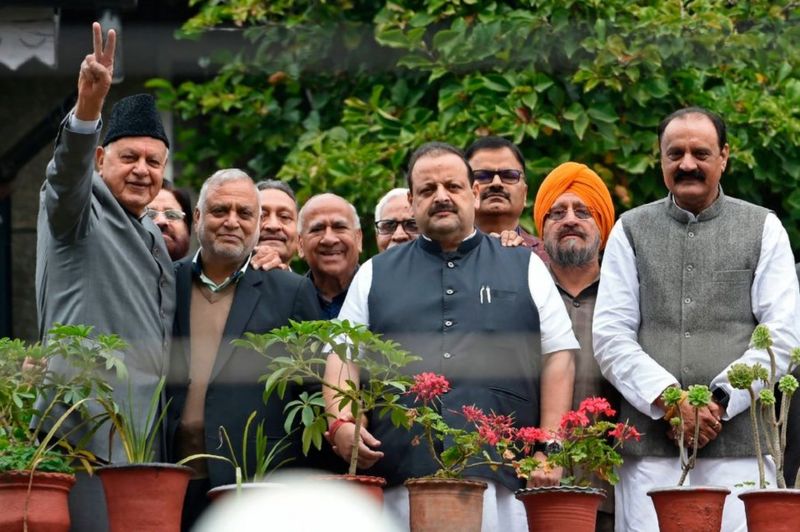
Mr Mir was among more than 5,000 people, including businessmen, civil society members, lawyers and activists, who were detained. Those still under detention include former chief ministers Omar Abdullah, Farooq Abdullah and Mehbooba Mufti - the first woman to be hold the position - as well as several former lawmakers.
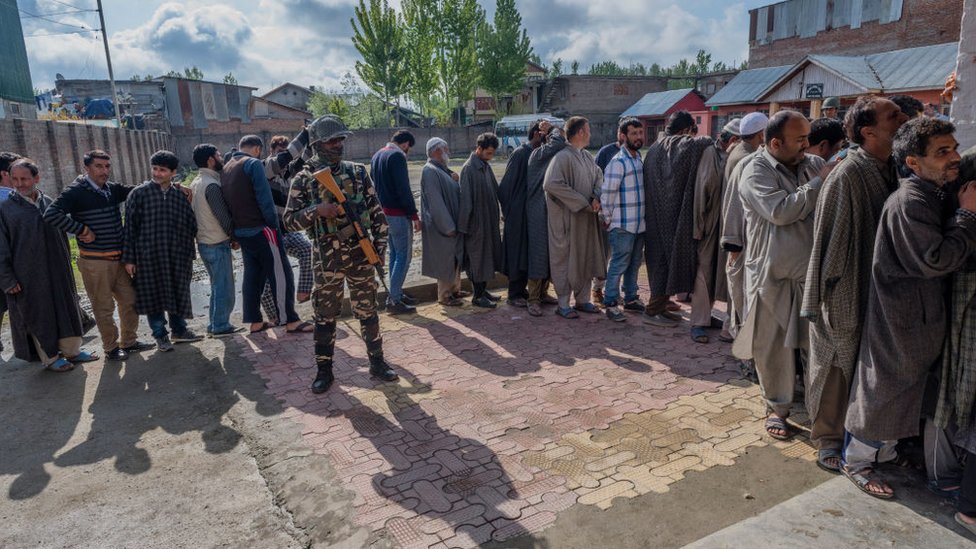
Indian paramilitary troopers stand guard as Kashmiris wait in queue to cast their votes during the second phase of Indian parliamentary-election on April 18, 2019, in Srinagar.IMAGE COPYRIGHTGETTY IMAGES
image captionKashmiris participated in the parliamentary elections earlier this year
Former chief minister Mr Abdullah, still a member of parliament, has been detained under the controversial Public Safety Act (PSA), which allows detention without formal charge for two years, among other things.
Mr Abdullah, whose family had been instrumental in tying Kashmir's future to Delhi, appeared on television before his detention and appealed to the people of India, saying he had stood with them and it was their time to reciprocate.
Mir Mohammad Fayaz, an MP belonging to the PDP, has written to the federal Home Minister Amit Shah, demanding the release of all political leaders. He said that the leaders had been recently shifted to a new jail in "a very humiliating and downgrading manner".

'Wiping out the middle ground'

Kashmir's political parties have always operated in a middle-ground - between integrating completely with India and seeking outright independence.
By the very act of participating in India's democratic processes and fighting elections, they acknowledged Delhi's right to have a say in the affairs of the region. But in order to win votes, they have had to speak the language of popular sentiment.
Therefore, its two main parties, the National Conference (NC) and the Peoples Democratic Party (PDP) officially stand for Kashmir's right to autonomy and self-rule within the federal structure of India.
And for more than a decade, after the insurgency ebbed, the status-quo in Kashmir largely worked in India's favour. People voted in elections and India said it proved that democracy was thriving in the region. With the detention of the leaders, things have changed.
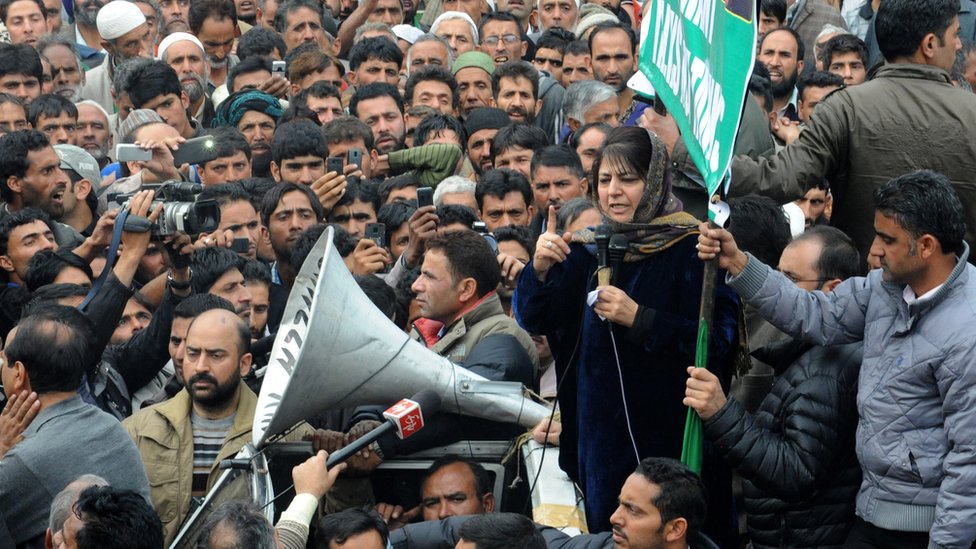
Mehbooba MuftiIMAGE COPYRIGHTGETTY IMAGES
image captionMehbooba Mufti led her party's 2014 election campaign from the front
The latest move by Delhi has "wiped out the middle-ground held by Kashmiri politicians" and this void could be very well "filled by militants", said Siddiq Wahid, a historian.
Mr Wahid added people would now confront these political parties by saying: "We knew it, we told you so all along."

'No trust'

"The idea of mainstream politics is dead in Kashmir now," says Kapil Kak, a retired air vice-marshal.
Mr Kak, a native of Kashmir who has been part of many initiatives aimed at resolving the dispute, said India has lost 70 years of its hard work in Indian-administered Kashmir: "Who will vouch for it now?"
Political workers, who have backed India despite facing threats, attacks and public humiliation, feel completely let down and fear for their safety now.
"We should have never trusted India," Mr Mir, now a free man, said.
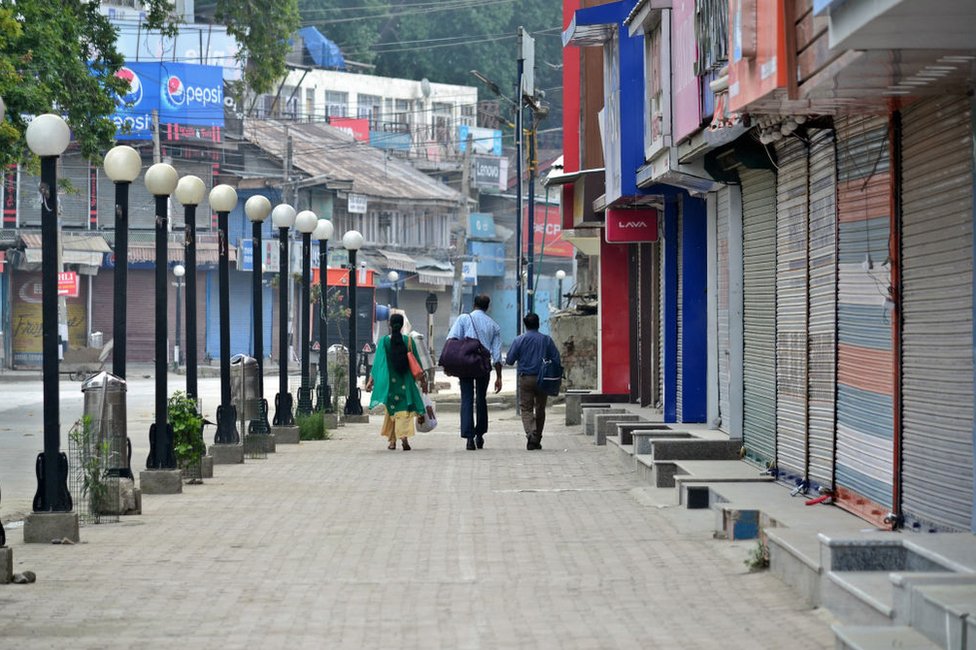
Indian tourists seen leaving the City during the curfew in Srinagar on 16 August 2019.IMAGE COPYRIGHTGETTY IMAGES
image captionStreets are mostly deserted since the lockdown came into effect on 5 August
Rehman Sheikh, whose cousin, a founding member of PDP, was killed and his house set on fire in Shopian district, said Mr Modi's government had simply "belittled my brother's sacrifice".
"The India for which we bled so badly has rendered us worthless by forcibly taking away our basic political rights," Mr Sheikh said.
"Party workers come to us and ask 'what is our future?'," said Tanveer Alam, whose cousin, a former lawmaker, is also being detained. "I have no answers. I keep silent."

'We are finished'

Mumtaz Peer, who saw his father killed by militants, said if "gunmen arrive at my door, no one will now come to save me".
"We are finished," Mr Peer, who worked for a former state lawmaker, said. "We are just waiting for this time to pass."
Mr Peer said that had the valley's mainstream political class invested time and effort to lobby for Kashmir's independence instead of trying to strengthen India's hold on the region, people "would have achieved the goal of independence".
media captionTwo wars, a 60-year dispute – a history of the Kashmir conflict
"Our only problem is we are Kashmiris and Muslim. We fought for India in Kashmir and this is what we got in return," Mr Peer said.
Ghulam Hassan Rahi, a politician who fought many elections in northern Kashmir during the heyday of insurgency, and continued his activism despite threats from militants, said now when he meets his political workers, he keeps his head down.
One worker, Mr Rahi said, recently confronted him, telling him that it doesn't matter "how much bidding Kashmiri Muslims will do for India, Delhi will never trust them because they are Muslims".
"I kept my head down and walked away," Mr Rahi said.


Courtesy : BBC

Kashmir territories profile

No comments


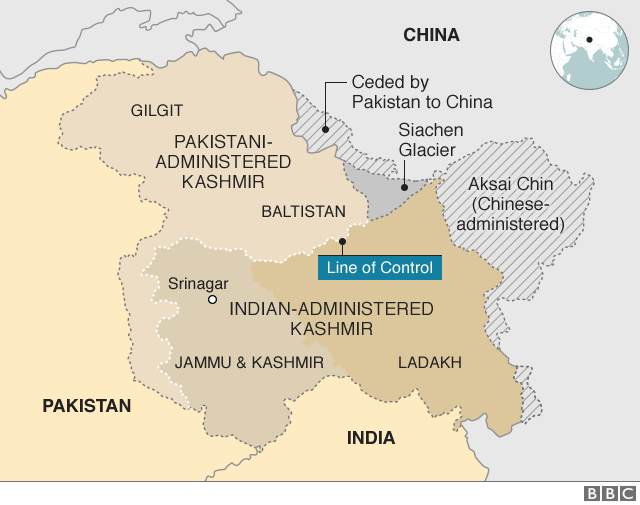
The Himalayan region of Kashmir has been a flashpoint between India and Pakistan for over six decades.
Since India's partition and the creation of Pakistan in 1947, the nuclear-armed neighbours have fought two wars over the Muslim-majority territory, which both claim in full but control in part.
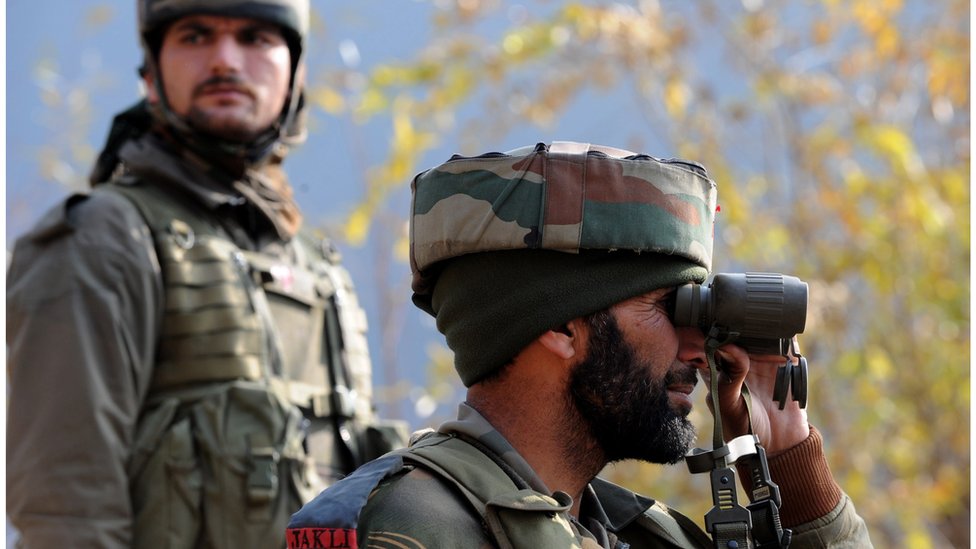
Today it remains one of the most militarised zones in the world. China administers parts of the territory.
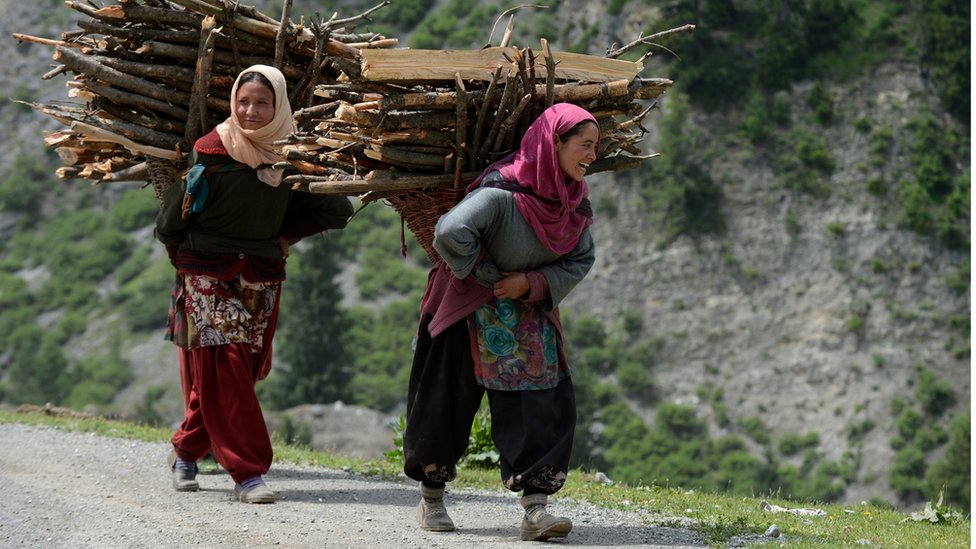
Women in KashmirIMAGE COPYRIGHTGETTY IMAGES
image captionKashmir features high mountains and deep valleys
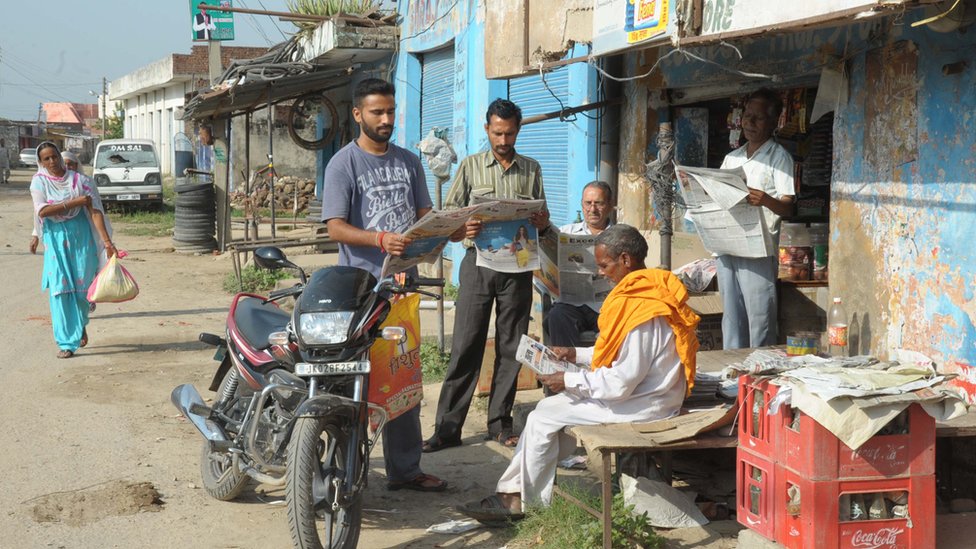
People reading newspapers in KashmirIMAGE COPYRIGHTGETTY IMAGES
Reporting on Kashmir from both India and Pakistan mainstream media is deeply politicized and reflects the tension between the two countries.
Media in Indian-administered Kashmir are generally split between pro- and anti-secessionist. Local journalists work under strict curfews and also face threats from militant groups. Internet access is sporadic and text messaging services are regularly blocked.
In Pakistani-controlled Kashmir, the media are used mainly for propaganda purposes, mainly to highlight the alleged human rights violations in Indian-administered Kashmir.

Key dates in Kashmir's history:

1846 - Creation of the princely state of Kashmir.
1947-8 - The Maharaja of Kashmir signs a treaty of accession with India after a Pakistani tribal army attacks. War breaks out between India and Pakistan over the region.
1949 - Kashmir is partitioned between India and Pakistan, with a ceasefire line agreed.
1962 - China defeats India in a brief war in a dispute over the Aksai Chin border area.
1965 - Second Indo-Pakistan war over Kashmir ends in a ceasefire.
Rise of Kashmiri nationalism: Jammu Kashmir Liberation Front is founded with the aim of forming an independent state through the reunification of Indian-administered and Pakistan-administered Kashmir.
1972 - Simla Agreement: India and Pakistan formalise the ceasefire line as the Line of Control as part of new resolve to negotiate differences after their war which ended in Bangladesh splitting from Pakistan.
1980-90s - Kashmir insurgency: Discontent over Indian rule leads to armed resistance, mass protests and a rise in Pakistan-backed militant groups. Ten of thousands of people are killed.
1999 - India and Pakistan engage in a brief conflict after militants cross the Line of Control into the Indian-administered district of Kargil.
2008 - India and Pakistan open trade route across the Line of Control for the first time in six decades.
2010 - Anti-India protests in Indian-administered Kashmir in which over 100 youths are killed.
2015 - Political watershed: Elections in Jammu and Kashmir see India's ruling Hindu nationalist BJP party emerge as a major political player in the region for the first time when it forms part of a coalition government with the regional Muslim People's Democratic Party.
2019 - Indian government strips Jammu and Kashmir state of the special status that gave it significant autonomy.
Indian troops in KashmirIMAGE COPYRIGHTGETTY IMAGES
image captionKashmir is one of the world's most militarised areas
Don't Miss
© all rights reserved
made with by Sajid Sarwar Sajid